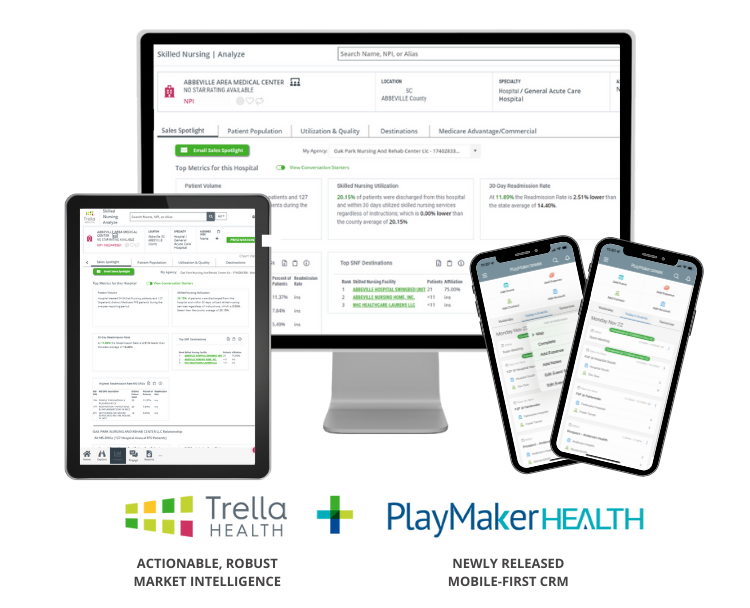
CRM Platforms for Healthcare: Improving Patient Care, Engagement, and Operational Efficiency
In the rapidly evolving landscape of healthcare, organizations are constantly seeking innovative solutions to enhance patient care, improve operational efficiency, and drive sustainable growth. Customer Relationship Management (CRM) platforms, traditionally associated with sales and marketing, have emerged as a powerful tool for healthcare providers to achieve these goals. A well-implemented CRM system can transform how healthcare organizations interact with patients, manage data, and streamline workflows, ultimately leading to better outcomes and a more patient-centric approach.
What is CRM in Healthcare?
At its core, a CRM platform for healthcare is a technology solution designed to manage and analyze patient interactions and data throughout the entire patient journey. It goes beyond simply storing patient information; it provides a centralized hub for all patient-related activities, communications, and preferences. This comprehensive view allows healthcare providers to deliver personalized care, improve patient engagement, and optimize operational processes.
Key Benefits of CRM Platforms in Healthcare
-
Enhanced Patient Experience:
- Personalized Communication: CRM enables healthcare providers to tailor communication based on individual patient needs, preferences, and medical history. This includes personalized appointment reminders, follow-up messages, educational materials, and targeted health campaigns.
- Improved Patient Engagement: By providing a platform for proactive communication and engagement, CRM helps patients feel more connected to their healthcare providers. This can lead to increased adherence to treatment plans, better health outcomes, and greater patient satisfaction.
- Streamlined Appointment Scheduling: CRM systems often include online appointment scheduling tools, allowing patients to book appointments at their convenience. This reduces the burden on administrative staff and improves patient access to care.
- Patient Portals: Integration with patient portals allows patients to access their medical records, lab results, and appointment schedules online. This empowers patients to take a more active role in their healthcare management.
-
Improved Care Coordination:
- Centralized Patient Data: CRM provides a single, unified view of patient data, including medical history, medications, allergies, and treatment plans. This eliminates data silos and ensures that all healthcare providers have access to the information they need to make informed decisions.
- Care Team Collaboration: CRM facilitates communication and collaboration among members of the care team, including physicians, nurses, specialists, and other healthcare professionals. This ensures that patients receive coordinated and consistent care.
- Referral Management: CRM streamlines the referral process, making it easier for primary care physicians to refer patients to specialists and track the progress of referrals. This improves care coordination and reduces delays in treatment.
- Transition of Care: CRM can help manage the transition of patients between different healthcare settings, such as hospitals, rehabilitation centers, and home healthcare agencies. This ensures that patients receive seamless and coordinated care during these transitions.
-
Operational Efficiency:
- Automated Workflows: CRM can automate many routine administrative tasks, such as appointment scheduling, billing, and insurance verification. This frees up administrative staff to focus on more complex and value-added activities.
- Reduced Costs: By streamlining workflows and improving efficiency, CRM can help healthcare organizations reduce operational costs. This includes reducing administrative overhead, improving revenue cycle management, and minimizing errors.
- Improved Data Analysis: CRM provides powerful data analytics capabilities, allowing healthcare organizations to track key performance indicators (KPIs) and identify areas for improvement. This can lead to better decision-making and more effective resource allocation.
- Compliance Management: CRM can help healthcare organizations comply with regulatory requirements, such as HIPAA and GDPR. This includes tracking patient consent, managing data privacy, and ensuring data security.
-
Targeted Marketing and Outreach:
- Segmentation and Personalization: CRM allows healthcare organizations to segment their patient populations based on demographics, medical history, and other factors. This enables them to deliver targeted marketing campaigns and outreach programs that are more relevant and effective.
- Improved Patient Acquisition: By identifying potential patients and tailoring marketing messages to their specific needs, CRM can help healthcare organizations attract new patients and grow their business.
- Patient Retention: CRM can help healthcare organizations retain existing patients by providing them with personalized care, proactive communication, and convenient access to services.
- Health Education: CRM can be used to deliver targeted health education materials to patients based on their individual needs and risk factors. This can help improve patient knowledge, promote healthy behaviors, and prevent chronic diseases.
Key Features of a Healthcare CRM Platform
- Patient Management: Centralized repository for patient demographics, medical history, insurance information, and communication preferences.
- Appointment Scheduling: Online appointment booking, automated reminders, and calendar integration.
- Communication Management: Email, SMS, and phone integration for personalized communication with patients.
- Care Coordination: Tools for care team collaboration, referral management, and transition of care.
- Reporting and Analytics: Dashboards and reports to track key performance indicators (KPIs) and identify areas for improvement.
- Integration with EHR/EMR Systems: Seamless integration with electronic health record (EHR) or electronic medical record (EMR) systems to ensure data consistency and accuracy.
- HIPAA Compliance: Security measures to protect patient data and ensure compliance with HIPAA regulations.
- Patient Portal: Secure online portal for patients to access their medical records, lab results, and appointment schedules.
- Marketing Automation: Tools for creating and managing targeted marketing campaigns.
- Mobile Accessibility: Mobile apps for healthcare providers and patients to access information and communicate on the go.
Choosing the Right CRM Platform for Healthcare
Selecting the right CRM platform for your healthcare organization is a critical decision that requires careful consideration. Here are some key factors to consider:
- Specific Needs: Identify your organization’s specific needs and goals. What are you hoping to achieve with a CRM platform? Do you need to improve patient engagement, streamline workflows, or reduce costs?
- Integration Capabilities: Ensure that the CRM platform can seamlessly integrate with your existing EHR/EMR system and other healthcare IT solutions.
- Scalability: Choose a CRM platform that can scale to meet your organization’s growing needs.
- Security: Ensure that the CRM platform has robust security measures in place to protect patient data and comply with HIPAA regulations.
- Ease of Use: Select a CRM platform that is easy to use and intuitive for both healthcare providers and administrative staff.
- Vendor Reputation: Choose a reputable CRM vendor with a proven track record in the healthcare industry.
- Cost: Consider the total cost of ownership, including software licenses, implementation costs, training costs, and ongoing maintenance costs.
Implementation Considerations
Implementing a CRM platform in healthcare requires careful planning and execution. Here are some key considerations:
- Data Migration: Develop a plan for migrating patient data from existing systems to the CRM platform.
- Training: Provide comprehensive training to healthcare providers and administrative staff on how to use the CRM platform.
- Change Management: Manage the change process effectively by communicating the benefits of the CRM platform and addressing any concerns or resistance from staff.
- Customization: Customize the CRM platform to meet your organization’s specific needs and workflows.
- Ongoing Support: Ensure that you have access to ongoing support from the CRM vendor to address any issues or questions that may arise.
The Future of CRM in Healthcare
The future of CRM in healthcare is bright, with new technologies and innovations constantly emerging. Some of the key trends to watch include:
- Artificial Intelligence (AI): AI-powered CRM platforms can provide personalized recommendations, automate tasks, and improve decision-making.
- Telehealth Integration: CRM platforms are increasingly integrating with telehealth platforms to provide a seamless patient experience.
- Wearable Device Integration: CRM platforms can integrate with wearable devices to track patient health data and provide personalized insights.
- Predictive Analytics: CRM platforms can use predictive analytics to identify patients at risk for chronic diseases or other health problems.
Conclusion
CRM platforms are transforming the way healthcare organizations interact with patients, manage data, and streamline workflows. By providing a centralized hub for all patient-related activities, CRM enables healthcare providers to deliver personalized care, improve patient engagement, and optimize operational processes. As the healthcare industry continues to evolve, CRM will play an increasingly important role in helping organizations achieve their goals and provide the best possible care to their patients.