The Power of Connection: Unlocking Business Growth with CRM Software
In today’s hyper-competitive business landscape, customer relationships are the lifeblood of success. Companies that prioritize building strong, lasting connections with their customers are the ones that thrive. Customer Relationship Management (CRM) software has emerged as an indispensable tool for businesses of all sizes to manage, analyze, and improve these crucial relationships.
What is CRM Software?
At its core, CRM software is a technology solution designed to organize, automate, and synchronize customer interactions across various touchpoints, including sales, marketing, customer service, and technical support. It acts as a centralized repository for all customer-related data, providing a 360-degree view of each customer’s history, preferences, and interactions with the company.
Key Features and Functionality
Modern CRM systems offer a wide range of features and capabilities that can be tailored to meet the specific needs of different businesses. Some of the most common and impactful functionalities include:
-
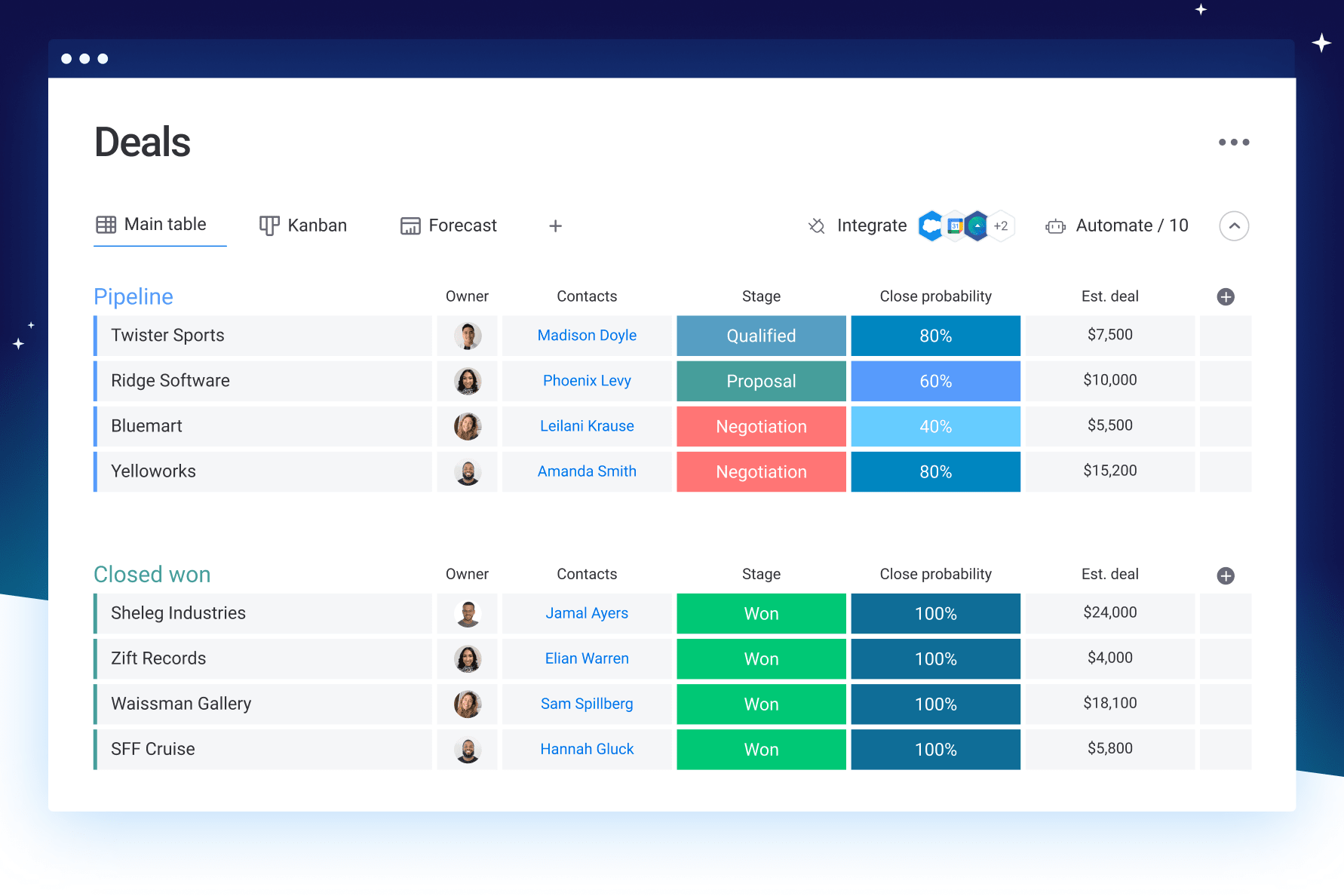
Contact Management: This foundational feature allows businesses to store and organize detailed information about their customers, including contact details, demographics, purchase history, and communication logs.
-
Sales Force Automation (SFA): SFA tools streamline the sales process by automating tasks such as lead management, opportunity tracking, quote generation, and sales forecasting. This enables sales teams to focus on building relationships and closing deals.
-
Marketing Automation: CRM software integrates with marketing platforms to automate marketing campaigns, track email performance, manage social media interactions, and personalize customer communications.
-
Customer Service Management: These features enable businesses to provide efficient and personalized customer support through various channels, including phone, email, chat, and social media. Ticket management, knowledge base integration, and self-service portals are common components.
-
Analytics and Reporting: CRM systems provide powerful analytics and reporting tools that enable businesses to track key performance indicators (KPIs), identify trends, and gain insights into customer behavior. These insights can be used to improve decision-making and optimize business strategies.
-
Lead Management: CRMs help businesses capture, qualify, and nurture leads through the sales funnel. Lead scoring, automated email sequences, and lead source tracking are essential components.
-
Workflow Automation: Automate repetitive tasks and processes, such as sending follow-up emails, creating tasks, and updating customer records, to improve efficiency and consistency.
-
Integration Capabilities: Modern CRM systems seamlessly integrate with other business applications, such as email marketing platforms, accounting software, e-commerce platforms, and social media channels.
Benefits of Implementing CRM Software
The benefits of implementing CRM software are far-reaching and can have a significant impact on a business’s bottom line. Some of the most notable advantages include:
-
Improved Customer Relationships: By providing a 360-degree view of each customer, CRM software enables businesses to personalize interactions, anticipate needs, and build stronger relationships.
-
Increased Sales Productivity: SFA tools automate repetitive tasks, streamline the sales process, and provide sales teams with the information they need to close deals more effectively.
-
Enhanced Marketing Effectiveness: Marketing automation features enable businesses to target the right customers with the right message at the right time, leading to higher conversion rates and improved ROI.
-
Better Customer Service: CRM software empowers customer service teams to provide faster, more personalized support, leading to increased customer satisfaction and loyalty.
-
Data-Driven Decision-Making: Analytics and reporting tools provide valuable insights into customer behavior, sales performance, and marketing effectiveness, enabling businesses to make more informed decisions.
-
Improved Collaboration: CRM software facilitates collaboration across different departments by providing a centralized platform for sharing customer information and coordinating activities.
-
Increased Efficiency: Automation of tasks and processes frees up employees to focus on more strategic activities, leading to increased efficiency and productivity.
-
Competitive Advantage: By leveraging the power of CRM software, businesses can gain a competitive advantage by providing superior customer experiences and building stronger relationships.
Types of CRM Software
CRM software is available in a variety of deployment models and configurations to suit the needs of different businesses. The most common types include:
-
Cloud-Based CRM: Cloud-based CRM systems are hosted on the vendor’s servers and accessed through the internet. This model offers several advantages, including lower upfront costs, easier deployment, and scalability.
-
On-Premise CRM: On-premise CRM systems are installed on the company’s own servers and managed by its IT staff. This model provides greater control over data and security but requires a significant upfront investment and ongoing maintenance.
-
Hybrid CRM: Hybrid CRM systems combine elements of both cloud-based and on-premise models. This approach allows businesses to leverage the benefits of both deployment options.
Choosing the Right CRM Software
Selecting the right CRM software for your business is a critical decision that requires careful consideration. Here are some key factors to keep in mind:
-
Business Needs: Identify your specific business needs and requirements. What challenges are you trying to solve? What goals are you trying to achieve?
-
Features and Functionality: Evaluate the features and functionality offered by different CRM systems. Make sure the software includes the features you need to support your business processes.
-
Scalability: Choose a CRM system that can scale with your business as it grows. The software should be able to accommodate increasing data volumes and user counts.
-
Integration Capabilities: Ensure that the CRM system integrates seamlessly with your other business applications, such as email marketing platforms, accounting software, and e-commerce platforms.
-
Ease of Use: Select a CRM system that is easy to use and intuitive. The software should be user-friendly for all employees, regardless of their technical skills.
-
Cost: Consider the total cost of ownership, including upfront costs, ongoing subscription fees, and implementation costs.
-
Vendor Reputation: Research the vendor’s reputation and track record. Read reviews and testimonials from other customers.
CRM Implementation Best Practices
Implementing CRM software successfully requires careful planning and execution. Here are some best practices to follow:
-
Define Clear Goals: Establish clear goals and objectives for your CRM implementation. What do you want to achieve with the software?
-
Involve Stakeholders: Involve stakeholders from all departments in the planning and implementation process.
-
Data Migration: Plan your data migration strategy carefully. Cleanse and validate your data before migrating it to the new CRM system.
-
Training: Provide comprehensive training to all employees on how to use the CRM software.
-
Customization: Customize the CRM system to meet your specific business needs.
-
Ongoing Support: Provide ongoing support and maintenance to ensure that the CRM system continues to meet your needs.
The Future of CRM
The field of CRM is constantly evolving, with new technologies and trends emerging all the time. Some of the key trends shaping the future of CRM include:
-
Artificial Intelligence (AI): AI is being integrated into CRM systems to automate tasks, personalize interactions, and provide more intelligent insights.
-
Mobile CRM: Mobile CRM apps are becoming increasingly popular, enabling sales teams and customer service representatives to access customer information and perform tasks on the go.
-
Social CRM: Social CRM integrates social media data into CRM systems, providing businesses with a more complete view of their customers.
-
Personalization: Customers expect personalized experiences. CRM systems are becoming more sophisticated in their ability to deliver personalized content and offers.
-
Data Privacy: Data privacy is becoming increasingly important. CRM systems are being designed to comply with data privacy regulations such as GDPR and CCPA.
Conclusion
CRM software is an essential tool for businesses that want to build strong, lasting relationships with their customers. By providing a centralized platform for managing customer data and interactions, CRM software enables businesses to improve customer service, increase sales productivity, and make more informed decisions. By carefully selecting and implementing the right CRM system, businesses can unlock significant growth opportunities and gain a competitive advantage in today’s dynamic marketplace.