The Powerhouse of Customer Relationships: A Deep Dive into CRM Platforms
In today’s hyper-competitive business landscape, customer relationships are the lifeblood of success. Organizations that can effectively manage, nurture, and grow these relationships are the ones that thrive. Enter the Customer Relationship Management (CRM) platform – a powerful tool that has revolutionized how businesses interact with their customers and drive growth.
What is a CRM Platform?
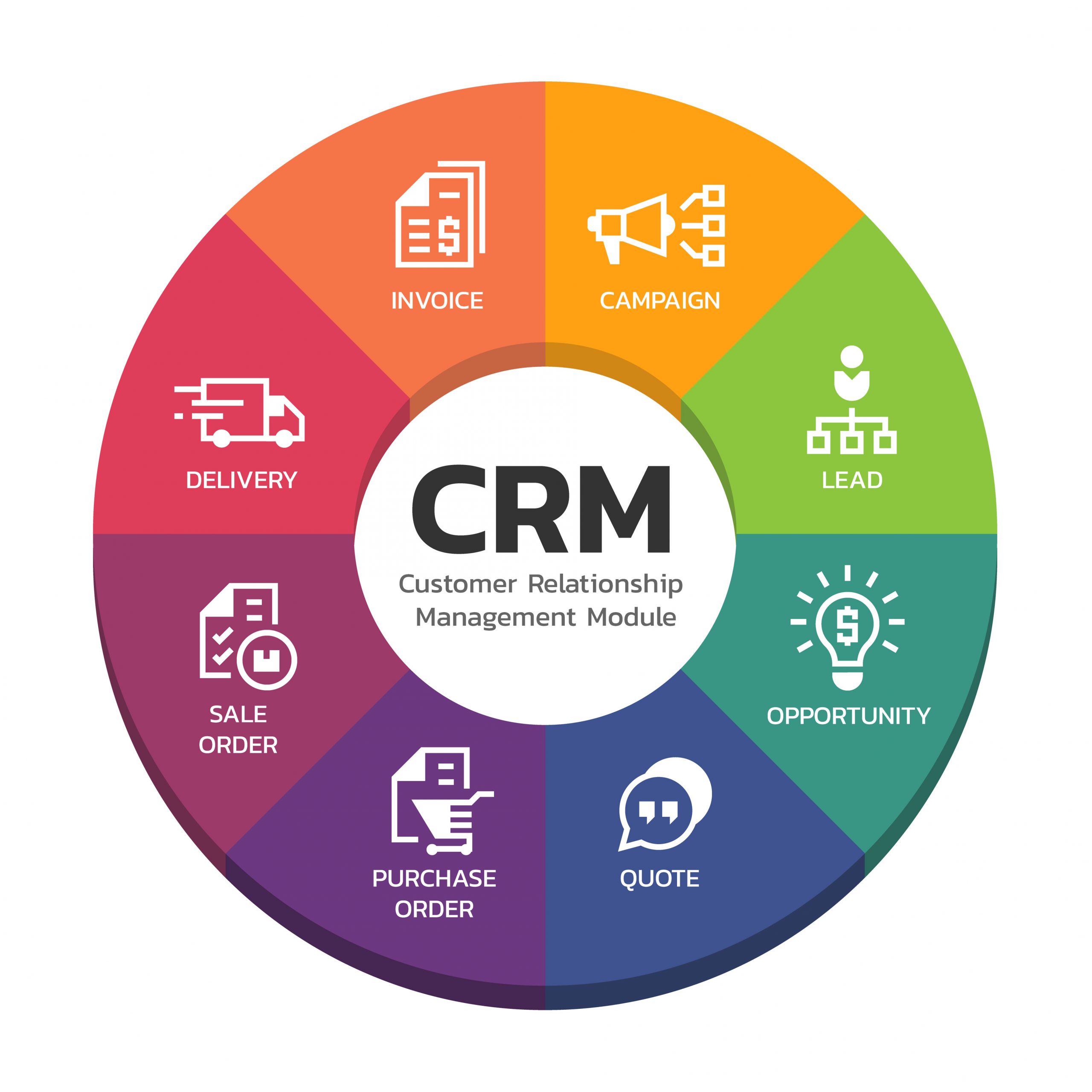
At its core, a CRM platform is a centralized system that helps businesses manage interactions and data throughout the customer lifecycle. It’s more than just a database; it’s a comprehensive solution that integrates various aspects of customer engagement, including:
-
Contact Management: Storing and organizing customer contact information (names, addresses, phone numbers, email addresses, social media profiles, etc.) in a unified database.
-
Sales Force Automation: Automating sales processes, such as lead management, opportunity tracking, quote generation, and sales forecasting.
-
Marketing Automation: Streamlining marketing efforts, including email marketing, social media campaigns, lead nurturing, and marketing analytics.
-
Customer Service: Providing tools to manage customer inquiries, track support tickets, resolve issues, and improve customer satisfaction.
-
Analytics and Reporting: Generating insights into customer behavior, sales performance, marketing effectiveness, and overall business performance.
Why is a CRM Platform Essential?
A CRM platform offers a multitude of benefits that can significantly impact a business’s bottom line. Here’s a closer look at some of the key advantages:
-
Enhanced Customer Understanding:
- A CRM platform provides a 360-degree view of each customer, aggregating data from various touchpoints. This comprehensive view enables businesses to understand customer needs, preferences, and behaviors more effectively.
- By knowing your customers better, you can tailor your interactions, personalize your offerings, and build stronger relationships.
-
Improved Customer Service:
- With a CRM, customer service representatives have immediate access to customer information, interaction history, and past issues. This enables them to provide faster, more efficient, and more personalized support.
- CRM systems can also automate support processes, such as ticket routing, knowledge base access, and customer feedback collection.
-
Increased Sales Productivity:
- CRM platforms automate many of the time-consuming tasks that sales teams face, such as lead qualification, data entry, and follow-up reminders.
- By streamlining these processes, sales reps can focus on what they do best: building relationships, closing deals, and generating revenue.
- Sales managers can use CRM data to track performance, identify bottlenecks, and optimize sales strategies.
-
More Effective Marketing Campaigns:
- CRM platforms enable marketers to segment their audience, personalize their messaging, and track the performance of their campaigns.
- By understanding which marketing efforts are most effective, marketers can optimize their strategies and generate more leads.
- CRM integration with marketing automation tools allows for automated lead nurturing, ensuring that leads are engaged and moved through the sales funnel.
-
Better Data-Driven Decision Making:
- CRM platforms provide a wealth of data that can be used to make informed business decisions.
- Analytics and reporting tools within the CRM can generate insights into customer trends, sales performance, marketing effectiveness, and overall business health.
- By leveraging this data, businesses can identify opportunities for improvement, optimize their strategies, and drive growth.
-
Streamlined Communication:
- CRM platforms centralize communication with customers, ensuring that all interactions are tracked and accessible to relevant team members.
- This eliminates silos and ensures that everyone is on the same page, leading to more consistent and coordinated customer experiences.
-
Improved Collaboration:
- CRM platforms facilitate collaboration between different departments, such as sales, marketing, and customer service.
- By sharing customer information and insights, these teams can work together more effectively to achieve common goals.
Types of CRM Platforms
CRM platforms come in various forms to cater to different business needs and sizes. The main types include:
- Cloud-Based CRM: Hosted on the vendor’s servers and accessed over the internet. Offers scalability, accessibility, and often lower upfront costs.
- On-Premise CRM: Installed on the company’s own servers and managed internally. Provides greater control over data and customization but requires more IT resources.
- Hybrid CRM: A combination of cloud-based and on-premise solutions, offering a balance of flexibility and control.
- Open-Source CRM: Offers customizable code and greater flexibility but requires technical expertise for implementation and maintenance.
Choosing the Right CRM Platform
Selecting the right CRM platform is a critical decision. Here are some key factors to consider:
- Business Needs: Identify your specific requirements, such as the number of users, desired features, and integration needs.
- Scalability: Choose a platform that can grow with your business as your needs evolve.
- Ease of Use: Opt for a platform that is intuitive and user-friendly, minimizing training time and maximizing adoption.
- Integration Capabilities: Ensure that the CRM can integrate with your existing business systems, such as accounting software, email marketing platforms, and e-commerce platforms.
- Cost: Evaluate the total cost of ownership, including subscription fees, implementation costs, training expenses, and ongoing maintenance.
- Vendor Reputation: Research the vendor’s reputation, customer reviews, and support services.
- Security: Prioritize a CRM platform with robust security measures to protect sensitive customer data.
Popular CRM Platforms
The CRM market is filled with a wide variety of platforms, each with its own strengths and weaknesses. Some of the most popular CRM platforms include:
- Salesforce
- Microsoft Dynamics 365
- SAP CRM
- Oracle Siebel
- Zoho CRM
- HubSpot CRM
The Future of CRM
The CRM landscape is constantly evolving, driven by advancements in technology and changing customer expectations. Some of the key trends shaping the future of CRM include:
- Artificial Intelligence (AI): AI is being integrated into CRM platforms to automate tasks, personalize customer interactions, and provide predictive insights.
- Mobile CRM: Mobile CRM apps are becoming increasingly popular, enabling sales reps and customer service agents to access information and manage interactions on the go.
- Social CRM: Social CRM integrates social media data into the CRM platform, allowing businesses to engage with customers on social channels and gain insights into their preferences.
- Personalization: Customers expect personalized experiences, and CRM platforms are evolving to provide more sophisticated personalization capabilities.
- Data Privacy and Security: With increasing concerns about data privacy, CRM platforms are implementing more robust security measures to protect customer data.
Conclusion
In today’s customer-centric world, a CRM platform is no longer a luxury but a necessity for businesses that want to thrive. By providing a centralized system for managing customer relationships, automating processes, and generating insights, a CRM platform can help businesses enhance customer satisfaction, increase sales productivity, improve marketing effectiveness, and drive growth. As technology continues to evolve, CRM platforms will become even more powerful and essential for businesses of all sizes.