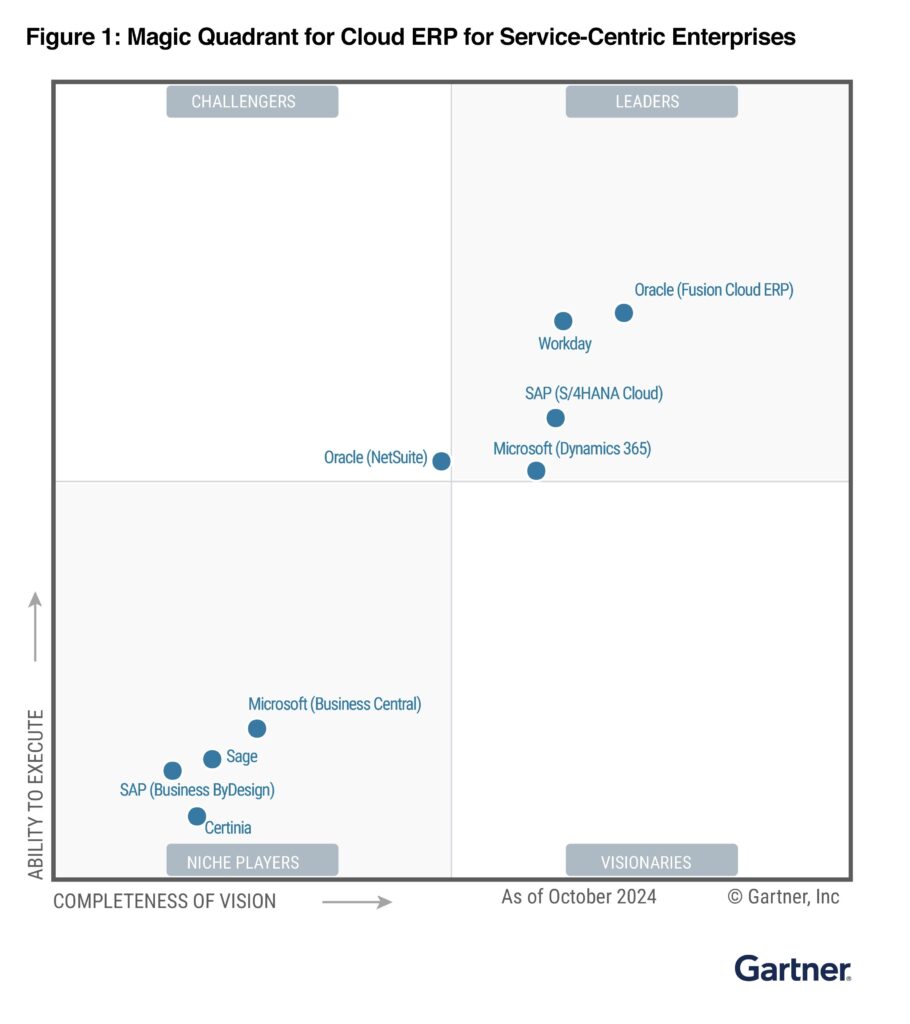
Cloud CRM for Enterprises: Driving Transformation, Scalability, and Customer-Centric Growth
In the modern business landscape, enterprises face unprecedented challenges in managing customer relationships, streamlining operations, and fostering growth. Amidst these complexities, Cloud Customer Relationship Management (CRM) has emerged as a game-changing solution, offering a suite of benefits that empower enterprises to thrive in a competitive market. This article explores the transformative power of cloud CRM for enterprises, highlighting its advantages, key considerations, and best practices for successful implementation.
Understanding the Power of Cloud CRM
Cloud CRM is a software-as-a-service (SaaS) solution that centralizes customer data, automates processes, and provides real-time insights, all accessible via the internet. Unlike traditional on-premise CRM systems, cloud CRM eliminates the need for expensive infrastructure, IT maintenance, and complex upgrades. This accessibility and flexibility make it an ideal solution for enterprises with geographically dispersed teams, diverse customer bases, and evolving business needs.
Key Benefits of Cloud CRM for Enterprises
-
Enhanced Customer Experience: Cloud CRM enables enterprises to deliver personalized and consistent customer experiences across all touchpoints. By centralizing customer data, sales, marketing, and service teams can access a 360-degree view of each customer, enabling them to tailor interactions, resolve issues promptly, and build stronger relationships.
-
Improved Sales Productivity: Cloud CRM automates sales processes, streamlines lead management, and provides sales teams with real-time insights into customer behavior. This enables sales reps to focus on high-value activities, such as closing deals and nurturing relationships, rather than administrative tasks.
-
Data-Driven Decision Making: Cloud CRM provides enterprises with a wealth of data on customer behavior, sales performance, and marketing effectiveness. This data can be used to identify trends, optimize strategies, and make informed decisions that drive business growth.
-
Scalability and Flexibility: Cloud CRM solutions are highly scalable, allowing enterprises to easily add or remove users, features, and storage capacity as their business needs evolve. This flexibility ensures that the CRM system can adapt to changing market conditions and support future growth.
-
Cost Savings: Cloud CRM eliminates the need for expensive hardware, software licenses, and IT infrastructure. This can result in significant cost savings for enterprises, especially those with large and distributed workforces.
-
Improved Collaboration: Cloud CRM facilitates seamless collaboration between sales, marketing, and service teams. By centralizing customer data and communication, team members can work together more effectively to provide exceptional customer service and drive sales growth.
-
Mobile Accessibility: Cloud CRM solutions are accessible from any device with an internet connection, enabling employees to access customer data, update records, and collaborate with colleagues from anywhere in the world. This mobility enhances productivity and responsiveness, especially for field sales and service teams.
-
Streamlined Marketing Automation: Cloud CRM integrates with marketing automation tools to streamline marketing campaigns, personalize communications, and track campaign performance. This enables enterprises to target the right customers with the right message at the right time, improving marketing ROI.
-
Enhanced Data Security: Cloud CRM providers invest heavily in data security to protect customer information from unauthorized access and cyber threats. This includes measures such as encryption, firewalls, and intrusion detection systems.
-
Simplified Integration: Cloud CRM solutions can be easily integrated with other enterprise systems, such as ERP, accounting, and e-commerce platforms. This enables enterprises to create a unified view of their business operations and automate data flows between systems.
Key Considerations for Cloud CRM Implementation
-
Defining Business Requirements: Before implementing a cloud CRM system, enterprises should clearly define their business requirements, including the specific features and functionality they need, the number of users who will access the system, and the level of integration with other systems.
-
Choosing the Right Vendor: There are many cloud CRM vendors to choose from, each with its own strengths and weaknesses. Enterprises should carefully evaluate different vendors based on their business requirements, budget, and technical expertise.
-
Data Migration: Migrating data from legacy systems to a cloud CRM system can be a complex and time-consuming process. Enterprises should carefully plan their data migration strategy to ensure that data is accurate, complete, and properly formatted.
-
Training and Adoption: To ensure successful adoption of a cloud CRM system, enterprises should provide comprehensive training to their employees on how to use the system. This training should cover all aspects of the system, from basic navigation to advanced features.
-
Customization and Configuration: Cloud CRM systems can be customized and configured to meet the specific needs of an enterprise. Enterprises should work with their CRM vendor to customize the system to their workflows and processes.
-
Security and Compliance: Enterprises should ensure that their cloud CRM vendor has adequate security measures in place to protect customer data. They should also ensure that the CRM system complies with all relevant data privacy regulations, such as GDPR and CCPA.
-
Integration with Other Systems: Enterprises should carefully plan the integration of their cloud CRM system with other enterprise systems, such as ERP, accounting, and e-commerce platforms. This integration should be seamless and efficient, ensuring that data flows smoothly between systems.
-
Ongoing Support and Maintenance: Enterprises should ensure that their cloud CRM vendor provides ongoing support and maintenance to keep the system running smoothly. This support should include bug fixes, security updates, and feature enhancements.
Best Practices for Successful Cloud CRM Implementation
-
Start with a Pilot Project: Before rolling out a cloud CRM system to the entire enterprise, start with a pilot project involving a small group of users. This will allow you to test the system, identify any issues, and make necessary adjustments before deploying it to the entire organization.
-
Focus on User Adoption: User adoption is critical to the success of any CRM implementation. Make sure that your employees understand the benefits of using the CRM system and are properly trained on how to use it.
-
Regularly Monitor and Evaluate: Regularly monitor and evaluate the performance of your cloud CRM system to ensure that it is meeting your business needs. This includes tracking key metrics, such as sales growth, customer satisfaction, and marketing ROI.
-
Continuously Improve: Cloud CRM is not a set-it-and-forget-it solution. Continuously improve your CRM system by adding new features, customizing workflows, and integrating with other systems.
-
Choose a CRM That Integrates Well: Ensure your CRM integrates smoothly with other business tools. This can improve efficiency and productivity.
Conclusion
Cloud CRM is a powerful tool that can help enterprises transform their customer relationships, streamline operations, and drive growth. By carefully considering their business requirements, choosing the right vendor, and implementing best practices, enterprises can successfully implement cloud CRM and reap its many benefits. In today’s competitive business environment, cloud CRM is no longer a luxury, but a necessity for enterprises that want to thrive and succeed.