CRM for Financial Services: Building Trust, Enhancing Relationships, and Driving Growth
In the fast-paced and highly competitive financial services industry, building strong customer relationships is paramount. Financial institutions need to understand their clients’ needs, preferences, and financial goals to provide personalized advice and services. This is where Customer Relationship Management (CRM) systems come into play.
CRM for financial services is more than just a software tool; it’s a strategic approach to managing interactions and data throughout the customer lifecycle. It empowers financial institutions to deliver exceptional customer experiences, improve operational efficiency, and drive sustainable growth.
Why CRM is Essential for Financial Services
-
Enhanced Customer Understanding: CRM systems centralize customer data from various sources, providing a 360-degree view of each client. This includes demographic information, financial history, investment preferences, risk tolerance, and communication history. With this comprehensive understanding, financial advisors can tailor their advice and services to meet individual client needs.
-
Personalized Customer Experiences: In the financial services industry, personalization is key. CRM enables financial institutions to deliver targeted marketing campaigns, personalized product recommendations, and tailored advice based on customer data. This level of personalization fosters stronger relationships and increases customer loyalty.
-
Improved Lead Management: CRM systems streamline the lead management process, from initial contact to conversion. Financial institutions can track leads, prioritize follow-ups, and nurture prospects with relevant content and offers. This helps to improve conversion rates and drive new business.
-
Streamlined Communication: CRM facilitates seamless communication between financial advisors and clients. It provides a centralized platform for managing emails, phone calls, meetings, and other interactions. This ensures that all communication is tracked and documented, improving transparency and accountability.
-
Enhanced Collaboration: CRM systems enable collaboration among different teams within a financial institution. For example, a financial advisor can share customer information with a portfolio manager or a mortgage specialist to provide comprehensive financial advice. This improves efficiency and ensures that clients receive the best possible service.
-
Regulatory Compliance: The financial services industry is heavily regulated. CRM systems help financial institutions comply with regulations by providing a secure and auditable platform for managing customer data. This reduces the risk of fines and penalties.
-
Data-Driven Decision Making: CRM systems provide valuable insights into customer behavior, market trends, and business performance. This data can be used to make informed decisions about product development, marketing strategies, and customer service improvements.
Key Features of CRM for Financial Services
- Contact Management: Centralized database for storing and managing customer information.
- Lead Management: Tools for tracking leads, prioritizing follow-ups, and nurturing prospects.
- Opportunity Management: Tracking potential deals and managing sales pipelines.
- Task Management: Scheduling and tracking tasks related to customer interactions.
- Workflow Automation: Automating repetitive tasks, such as sending emails and generating reports.
- Reporting and Analytics: Generating reports and dashboards to track key performance indicators (KPIs).
- Compliance Management: Ensuring compliance with regulations and industry standards.
- Integration with Other Systems: Integrating with other systems, such as accounting software, marketing automation platforms, and customer service tools.
Specific Applications of CRM in Financial Services
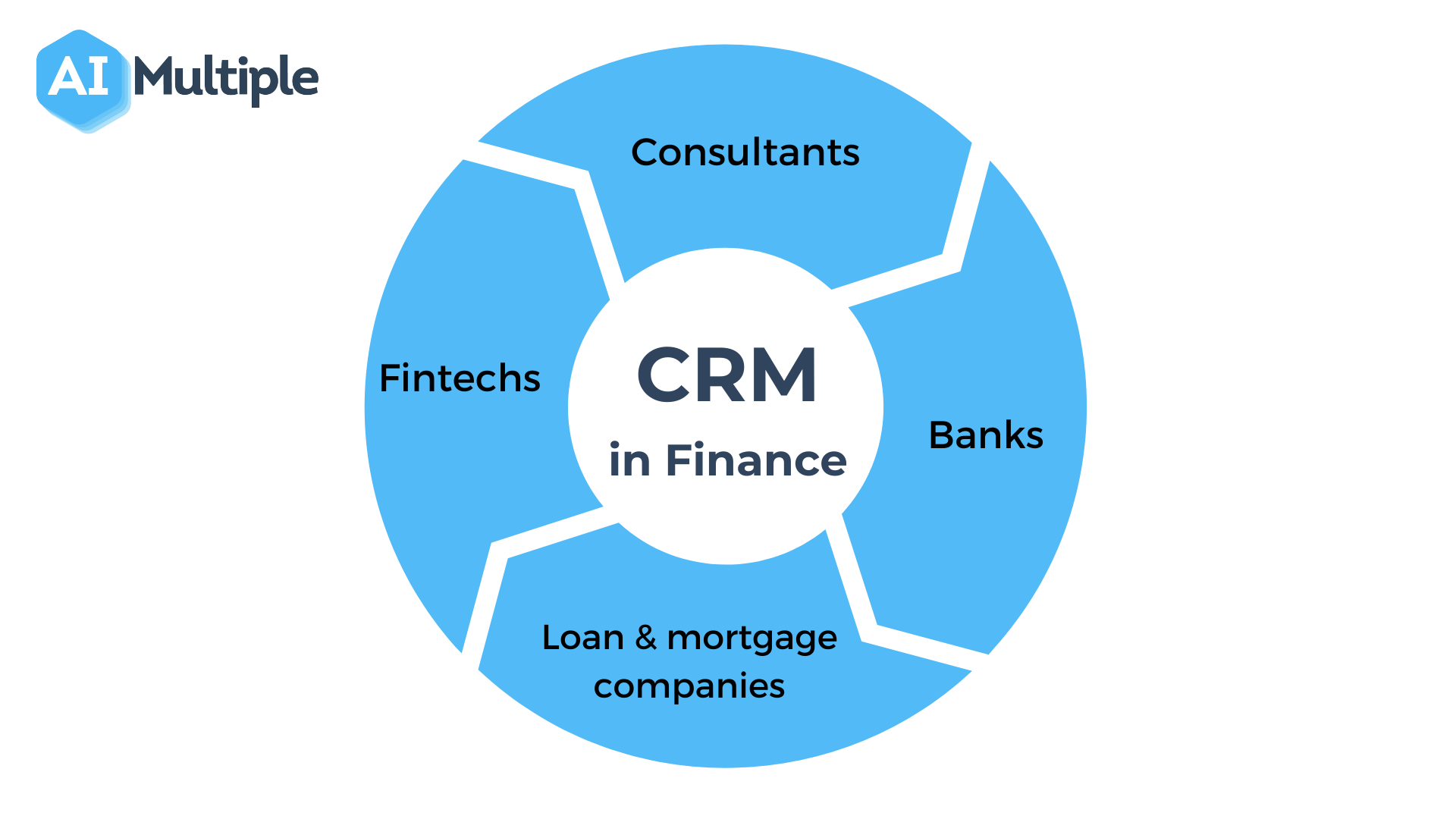
- Banking: CRM can help banks improve customer service, cross-sell products, and manage customer relationships.
- Wealth Management: CRM can help wealth managers provide personalized advice, manage client portfolios, and track client interactions.
- Insurance: CRM can help insurance companies manage leads, process claims, and improve customer retention.
- Mortgage Lending: CRM can help mortgage lenders streamline the loan application process, track loan approvals, and manage customer relationships.
Challenges of Implementing CRM in Financial Services
- Data Migration: Migrating data from legacy systems to a new CRM system can be complex and time-consuming.
- User Adoption: Getting financial advisors and other employees to adopt a new CRM system can be challenging.
- Integration with Existing Systems: Integrating CRM with existing systems, such as accounting software and marketing automation platforms, can be complex.
- Data Security: Protecting customer data is critical in the financial services industry. CRM systems must be secure and compliant with regulations.
Choosing the Right CRM System
When choosing a CRM system for financial services, it’s important to consider the following factors:
- Industry-Specific Features: Look for a CRM system that offers features specifically designed for the financial services industry, such as compliance management and portfolio management.
- Scalability: Choose a CRM system that can scale as your business grows.
- Integration Capabilities: Ensure that the CRM system can integrate with your existing systems.
- Ease of Use: Choose a CRM system that is easy to use and intuitive.
- Vendor Reputation: Choose a CRM vendor with a good reputation and a proven track record in the financial services industry.
- Cost: Consider the total cost of ownership, including licensing fees, implementation costs, and ongoing maintenance costs.
Best Practices for Implementing CRM in Financial Services
- Define Clear Goals: Before implementing a CRM system, define clear goals and objectives.
- Involve Stakeholders: Involve stakeholders from all departments in the implementation process.
- Provide Training: Provide comprehensive training to all users on how to use the CRM system.
- Customize the System: Customize the CRM system to meet your specific needs.
- Monitor and Evaluate: Monitor and evaluate the performance of the CRM system on an ongoing basis.
The Future of CRM in Financial Services
The future of CRM in financial services is likely to be shaped by several trends, including:
- Artificial Intelligence (AI): AI can be used to automate tasks, personalize customer interactions, and provide insights into customer behavior.
- Cloud Computing: Cloud-based CRM systems offer greater flexibility, scalability, and cost savings.
- Mobile CRM: Mobile CRM allows financial advisors to access customer data and manage interactions from anywhere.
- Social CRM: Social CRM allows financial institutions to engage with customers on social media channels.
Conclusion
CRM is an essential tool for financial institutions looking to build strong customer relationships, improve operational efficiency, and drive sustainable growth. By understanding customer needs, personalizing interactions, and streamlining communication, financial institutions can deliver exceptional customer experiences and gain a competitive advantage. While implementing a CRM system can be challenging, the benefits are well worth the effort. By choosing the right CRM system and following best practices, financial institutions can unlock the full potential of CRM and achieve their business goals.