Okay, here’s a comprehensive article about CRM software for real estate, designed to be informative and engaging, aiming for a word count of approximately 1200 words.
CRM Software: The Key to Real Estate Success in a Digital World
In the dynamic and competitive real estate industry, building and maintaining strong client relationships is paramount. Gone are the days when a Rolodex and a good memory were enough to manage leads and nurture prospects. Today, real estate professionals need a sophisticated tool to stay organized, efficient, and connected: a Customer Relationship Management (CRM) system.
What is a CRM and Why is it Essential for Real Estate?
At its core, a CRM is a software application designed to manage and analyze customer interactions and data throughout the customer lifecycle, with the goal of improving business relationships, assisting in customer retention, and driving sales growth. For real estate, this translates into a centralized hub for managing leads, contacts, properties, transactions, and marketing efforts.
Here’s why a CRM is no longer optional, but essential for real estate success:
- Centralized Data Management: A CRM eliminates scattered spreadsheets, sticky notes, and disorganized email inboxes. All client information, communication history, property preferences, and transaction details are stored in one easily accessible location.
- Improved Lead Management: Effectively capturing, qualifying, and nurturing leads is critical for generating business. A CRM allows you to track leads from various sources (website, referrals, social media), assign them to agents, and automate follow-up communication.
- Enhanced Client Communication: Personalized communication is key to building trust and rapport. A CRM enables you to segment your audience, tailor your messaging, and automate email campaigns, ensuring that clients receive relevant information at the right time.
- Streamlined Workflow: Real estate transactions involve numerous steps and stakeholders. A CRM automates repetitive tasks, such as sending reminders, generating reports, and updating property listings, freeing up agents to focus on client interactions.
- Data-Driven Insights: A CRM provides valuable insights into your business performance, such as lead conversion rates, sales cycle length, and marketing campaign effectiveness. This data helps you identify areas for improvement and make informed decisions.
- Better Collaboration: Real estate teams can use a CRM to collaborate more effectively, sharing information, assigning tasks, and tracking progress on deals. This ensures that everyone is on the same page and that no opportunities are missed.
- Improved Customer Service: By having a complete view of each client’s history and preferences, agents can provide personalized and responsive service, leading to increased customer satisfaction and loyalty.
Key Features to Look for in a Real Estate CRM
Not all CRMs are created equal. When choosing a CRM for your real estate business, consider the following key features:
- Contact Management: Robust contact management capabilities are essential, including the ability to store detailed contact information, track interactions, segment contacts, and manage communication preferences.
- Lead Management: The CRM should provide tools for capturing leads from various sources, qualifying them based on specific criteria, assigning them to agents, and tracking their progress through the sales pipeline.
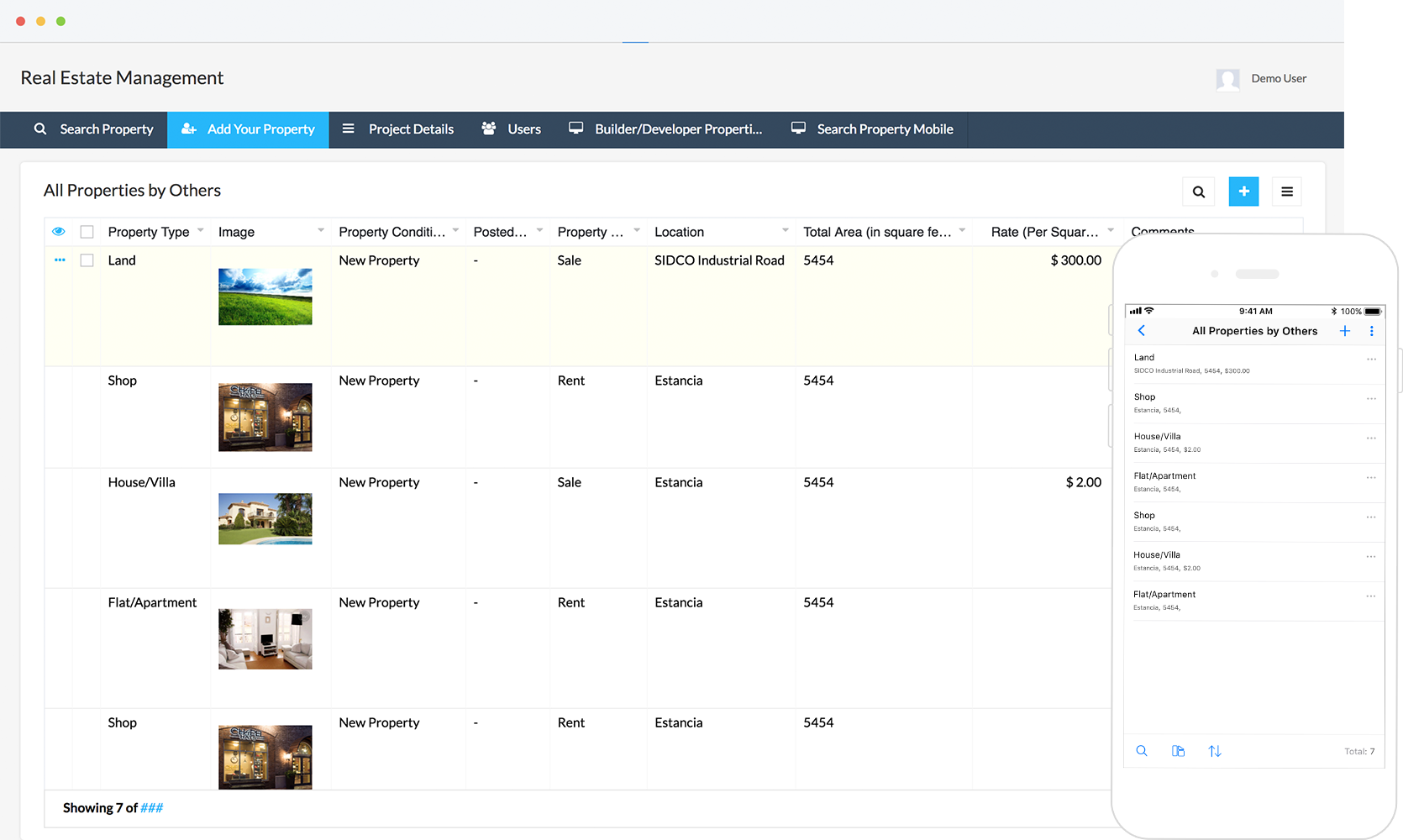
- Property Management: The ability to manage property listings, including details such as address, price, features, photos, and virtual tours, is crucial. The CRM should also allow you to match properties with potential buyers based on their preferences.
- Email Marketing: Integrated email marketing tools enable you to create and send targeted email campaigns to nurture leads, promote properties, and stay in touch with past clients.
- Task Management: Task management features help you stay organized and on top of deadlines. The CRM should allow you to create tasks, assign them to team members, set reminders, and track progress.
- Calendar Integration: Seamless integration with your calendar allows you to schedule appointments, showings, and other events directly from the CRM.
- Reporting and Analytics: Comprehensive reporting and analytics capabilities provide insights into your business performance, such as lead conversion rates, sales cycle length, and marketing campaign effectiveness.
- Mobile Access: In today’s mobile world, it’s essential to have a CRM that can be accessed from any device, allowing you to stay connected and productive on the go.
- Integration with Other Tools: The CRM should integrate with other tools that you use in your business, such as your website, email provider, social media platforms, and accounting software.
- Customization: The ability to customize the CRM to fit your specific needs is important. Look for a CRM that allows you to add custom fields, create custom workflows, and tailor the interface to your preferences.
- Automation: Automate repetitive tasks such as sending emails, updating property listings, and generating reports to free up time and improve efficiency.
Popular CRM Options for Real Estate
Several CRM solutions are specifically designed for the real estate industry. Here are a few popular options:
- Salesforce Real Estate Cloud: A powerful and customizable CRM built on the Salesforce platform, offering a wide range of features for managing leads, contacts, properties, and transactions. Known for its scalability and extensive integration options.
- HubSpot CRM: A free CRM with a user-friendly interface and a robust set of features for managing leads, contacts, and deals. HubSpot also offers paid add-ons for marketing automation and sales enablement. Excellent for inbound marketing strategies.
- Zoho CRM: A versatile CRM that offers a range of features for managing sales, marketing, and customer support. Zoho CRM is known for its affordability and customization options.
- Follow Up Boss: Designed specifically for real estate teams, Follow Up Boss focuses on lead management and automation, helping teams respond quickly to new leads and nurture them effectively.
- LionDesk: A CRM specifically for real estate. LionDesk offers features like lead generation, email marketing, video texting, and transaction management.
Choosing the Right CRM for Your Business
Selecting the right CRM is a crucial decision. Here’s a step-by-step approach to help you make the best choice:
- Define Your Needs: Start by identifying your specific needs and pain points. What are you hoping to achieve with a CRM? What are the biggest challenges you’re facing in managing leads, clients, and transactions?
- Set a Budget: Determine how much you’re willing to spend on a CRM. Consider both the upfront costs and the ongoing subscription fees.
- Research Your Options: Explore the different CRM solutions available and compare their features, pricing, and reviews.
- Request Demos: Schedule demos with the CRM providers you’re interested in. This will give you a chance to see the software in action and ask questions.
- Consider the Learning Curve: Choose a CRM that is easy to learn and use. The more intuitive the interface, the faster your team will adopt it.
- Read Reviews and Testimonials: Look for reviews and testimonials from other real estate professionals to get an idea of their experiences with the CRM.
- Start with a Trial: Many CRM providers offer free trials. Take advantage of these trials to test the software and see if it’s a good fit for your business.
- Consider Scalability: Choose a CRM that can scale with your business as you grow.
Implementing and Integrating Your CRM
Once you’ve chosen a CRM, the next step is to implement and integrate it into your business. Here are a few tips:
- Data Migration: Carefully plan your data migration process to ensure that all your existing data is transferred accurately to the new CRM.
- Training: Provide thorough training to your team on how to use the CRM effectively.
- Integration: Integrate the CRM with your other business tools, such as your website, email provider, and social media platforms.
- Customization: Customize the CRM to fit your specific needs and workflows.
- Regular Updates: Keep the CRM up-to-date with the latest software updates and security patches.
Conclusion: Embrace CRM for Real Estate Success
In today’s competitive real estate landscape, a CRM is no longer a luxury, but a necessity. By centralizing data, streamlining workflows, and enhancing client communication, a CRM can help you build stronger relationships, generate more leads, and close more deals. By carefully evaluating your needs, researching your options, and implementing the right CRM, you can unlock significant growth and success for your real estate business. Embrace the power of CRM, and watch your business thrive.